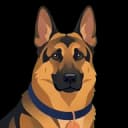
Puppy · Doberman Pinscher
The Ideal Training Schedule for a Doberman Pinscher Puppy
Updated · How we write our guides
Short answer
An ideal schedule for a Doberman Pinscher puppy pairs gentle, positive reinforcement sessions with mandatory calm periods throughout the day. Balancing scent enrichment, the Engage-Disengage game, and independence training on Place channels their protective instincts into confident, relaxed companionship.
Doberman Pinscher puppies combine extraordinary intelligence with bold athletic power and deep loyalty, making them brilliant learners who thrive on consistent daily routines. Because this breed possesses sharp protective instincts and a famous velcro attachment to their handlers, an ideal schedule balances proactive socialization, focused training, and mandatory calm time. Without predictable structure, their alert nature can quickly tilt into leash reactivity, barrier frustration, or distress when left alone. For any emerging aggression, resource guarding, or biting that breaks skin, immediately schedule a veterinary exam to rule out hidden pain, then collaborate with a certified professional through IAABC or CCPDT. Using gentle, positive reinforcement methods from day one channels their natural drive into confident, reliable household companionship.
How to do it
Step-by-step
Tick off each step as you practice it — your progress is saved on this device.
Step 1: Establish a Morning Potty and Focus Routine
Take your puppy outside on a flat collar or harness immediately upon waking, heading to a designated toilet spot and quietly rewarding elimination with a piece of freeze-dried liver. Once business is finished, transition indoors for a five-minute breakfast session using basic cues like Touch to build morning engagement before energy spikes. If your puppy is distracted by morning yard sounds, increase distance from fences and use high-value treats right in front of their nose to reset their focus. Keep this routine calm and predictable so your puppy learns that alert vigilance is not required to start the day.
Step 2: Provide Scent-Based Mental Enrichment
Channel your puppy's keen working drive by offering their remaining breakfast scattered across a snuffle mat, rolled in a damp towel, or stuffed into a frozen rubber toy. Allow them fifteen to twenty minutes of uninterrupted foraging, which encourages independent problem-solving and releases natural calming endorphins. If the puppy gets frustrated and starts pawing roughly or whining at the puzzle, simplify the challenge by leaving kibble loosely accessible so they experience immediate success. This daily brain game satisfies their energetic mind without overworking developing joints through repetitive physical running.
Step 3: Practice Leash Neutrality and the Engage-Disengage Game
Outfit your puppy in a comfortable front-clip harness and six-foot leash for a ten-minute neighborhood stroll focused purely on environmental neutrality rather than marching distance. When you spot a person, dog, or moving bicycle at least thirty feet away, mark and reward your puppy with string cheese the instant they look at the trigger using the Engage-Disengage game. If your pup fixes their stare, stiffens, or barks, they are over threshold; immediately increase distance by turning around smoothly and rewarding a hand target. Consistent practice at comfortable distances prevents natural guarding instincts from escalating into barrier frustration or leash reactivity.
Step 4: Train Independence with the Place Cue
Teach your puppy to relax away from your side by sending them to an elevated cot or mat using a distinct Place cue. Lure them onto the mat, mark with a clicker or verbal marker, and continuously deliver tiny treats between their front paws for five minutes while you take one step back. If your puppy immediately breaks position to follow your movement like a classic velcro dog, decrease your distance to just a half-step and increase your treat delivery rate. Gradually build up to ten minutes of calm resting on Place while you move freely around the room, which directly prevents over-dependence.
Step 5: Channel High Energy with Structured Tug and Drop It
Engage in an energetic ten-minute interactive play session using a long fleece or rope tug toy to fulfill your puppy's natural prey and drive needs. Pause play every minute, hold the toy completely stationary against your leg, and cue Drop It while offering a piece of cooked chicken right at their nose to trade. If your puppy refuses to release the toy, never wrench it from their mouth; instead, scatter two high-value treats on the floor to encourage voluntary release. This controlled game prevents possessiveness, strengthens impulse control, and teaches your pup that giving up items always yields pleasant outcomes.
Step 6: Implement an Evening De-Arousal and Crate Wind-Down
Wind down each evening with a thirty-minute quiet period featuring gentle massage or a soothing lick mat inside an open-door crate. As bedtime nears, close the crate door in a quiet bedroom and provide a safe chew toy to help them settle into deep sleep. If your puppy barks or whines, wait for a two-second pause in vocalization before offering a reassuring word or quick toilet break to avoid accidentally reinforcing alert barking. Establishing a strict sleep routine helps your high-drive puppy receive the seventeen to twenty hours of daily rest required for emotional regulation.
For the Doberman Pinscher
Pro tips
- Enforce scheduled naps in a quiet crate every two hours, as overtired Doberman puppies become intensely mouthy and prone to trigger stacking.
- Use your puppy's daily food ration across multiple short training sessions and puzzle feeders rather than feeding meals in standard bowls.
- Pair sightings of novel people, uniforms, and dogs with premium treats from generous distances to guide their protective instincts toward relaxed neutrality.
Owners ask
Frequently asked questions
How do I prevent my Doberman puppy from developing severe separation anxiety?
Counteract velcro tendencies early by pairing brief separations with high-value food items like frozen stuffed toys behind baby gates. Start by stepping out of sight for just ten seconds and returning calmly without dramatic greetings. If your puppy shows distress, shorten the duration and consult an IAABC certified behavior consultant if panic behaviors emerge.
What should I do if my Doberman puppy begins barking at noises outside the window?
Prevent rehearsal immediately by applying opaque privacy film to low windows and using white noise machines to muffle outside triggers. When a sudden noise occurs, run the Look at That protocol by immediately marking the sound and feeding a high-value treat to build a positive association. Never scold your puppy for alert barking, as punishment can increase vigilance and lead to heightened defensiveness.
How should I handle it if my puppy growls when guarding a chew bone?
Never reprimand the puppy or pry items from their jaws, as this confirms their suspicion that humans steal prized possessions and can escalate to bites. Immediately manage the situation by tossing high-value treats several feet away to lure them off the item safely. Have a veterinarian rule out underlying pain, and work with a certified positive-reinforcement professional to implement systematic desensitization.
How can I keep my puppy calm when greeting guests at the front door?
Place your puppy on a front-clip harness and leash before guests arrive, setting them up at a comfortable distance of fifteen feet from the entryway. Feed continuous high-value rewards for four paws on the floor or resting on Place while visitors enter and sit down. Only permit calm greetings once your puppy has disengaged from the excitement and displays relaxed body language.
Watch
Videos: puppy schedule for the Doberman Pinscher
Use THIS Daily Puppy Schedule to Create the Perfect Doberman
Doberman Planet · Breed-specific
Spotted a mistake or something out of date? Email us — we review every report, fix the guide and update its date. Our guides are general education, not a substitute for a certified trainer or veterinary behaviorist.